Turning a Technical Benefit Into a Human One
How We Reframed Disinfection for Floors to Create Real Differentiation
Disinfection is a powerful benefit—but it’s also abstract.
Consumers understand clean. They don’t naturally visualize disinfected, especially when it comes to floors. Floors are messy, sure—but they’re also out of sight and often out of mind. That gap between what’s technically true and what’s emotionally understood is where strong brands either win or disappear.
At the time, floor cleaning was dominated by convenience-led players that owned the mental model of “quick and easy.” The category conversation focused on visible dirt, not invisible risk. Speed mattered more than efficacy.
For Clorox, this created a strategic opening. The brand had a hard, provable benefit—disinfection—but that benefit lived in lab language. Floors weren’t yet a clearly owned usage occasion for disinfecting products, and without translation, Clorox risked being evaluated through the same lens as non-disinfecting alternatives.
The key insight was simple: germs may be invisible, but dirt is not.
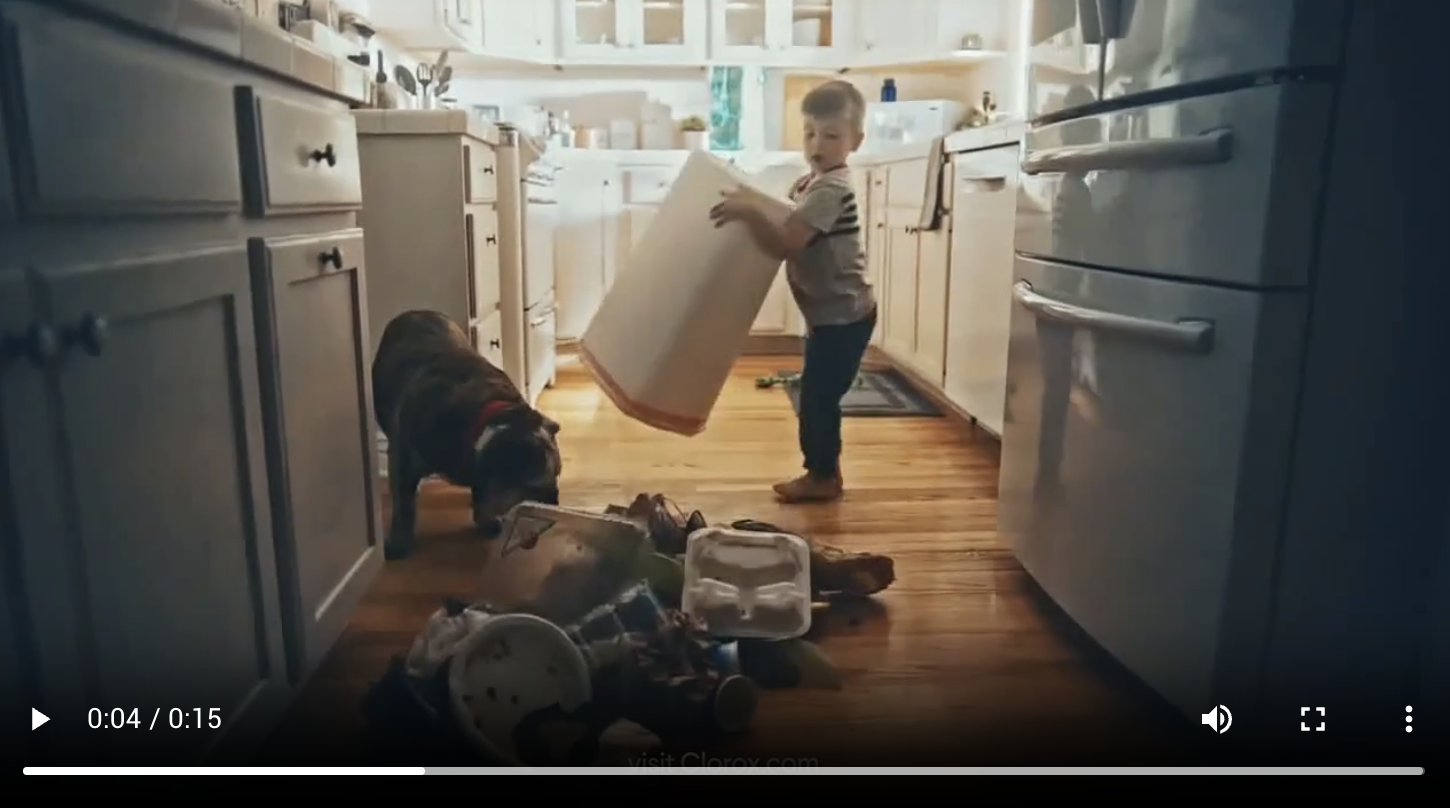
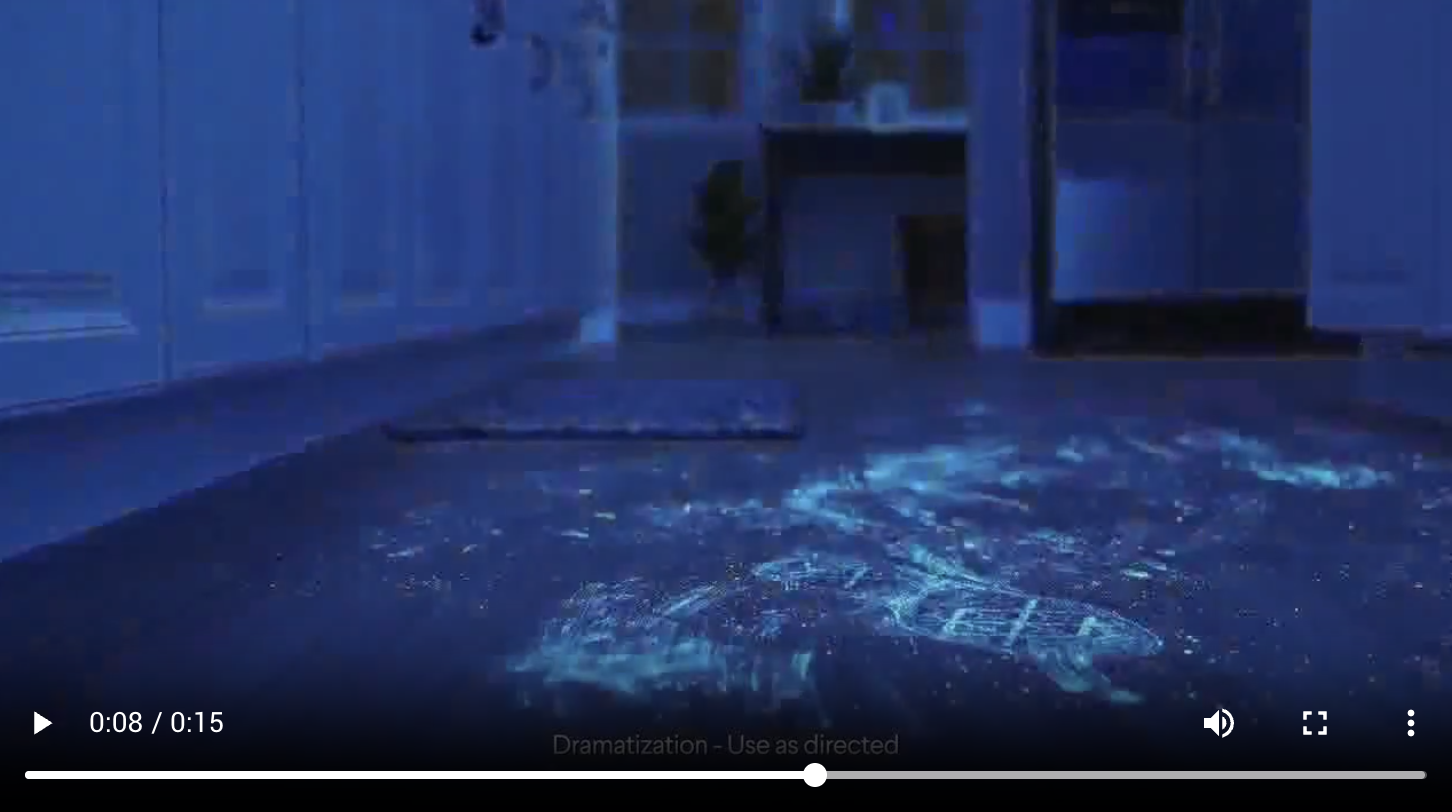
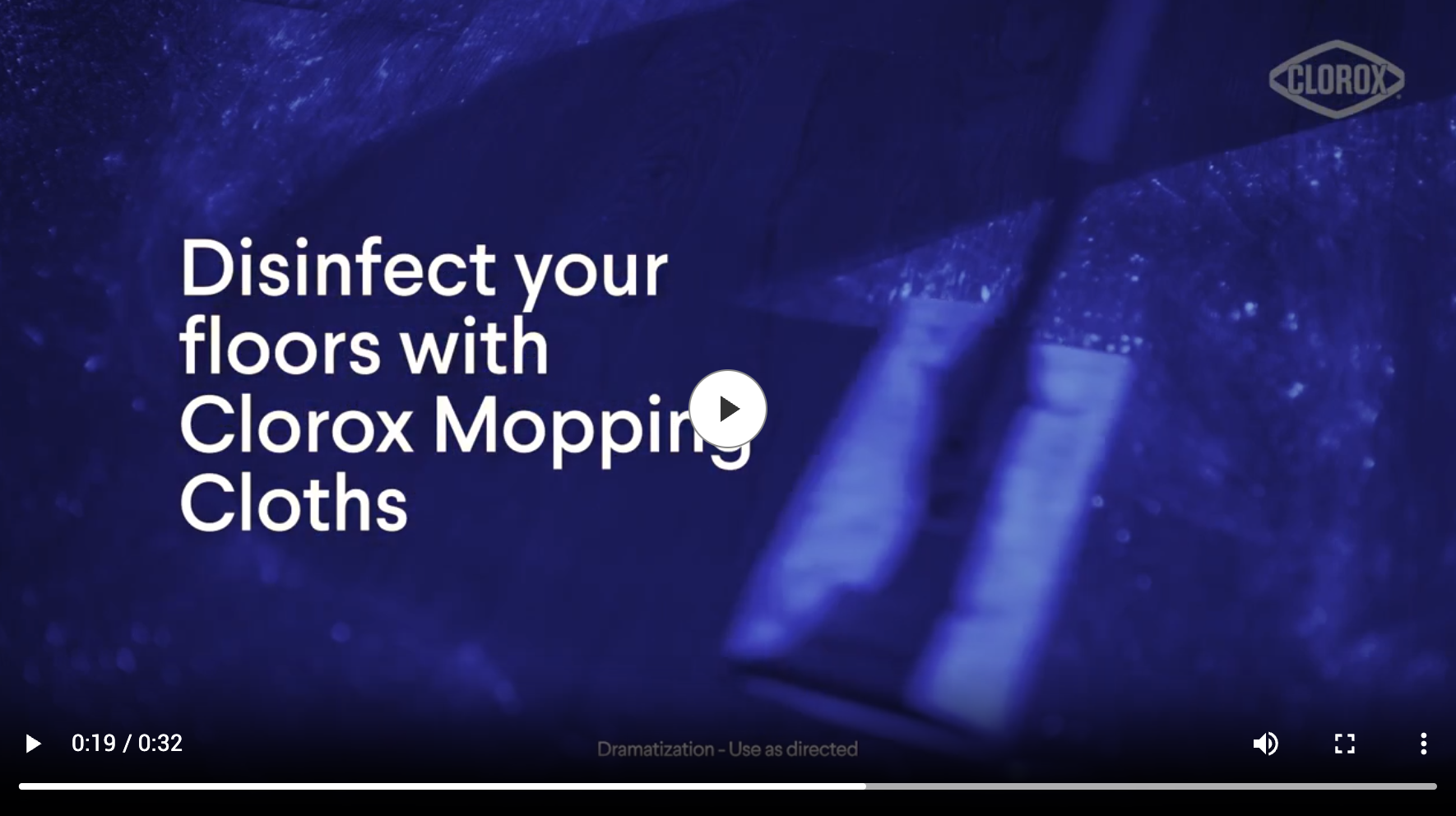
Instead of leading with technical claims, the creative grounded the story in real, familiar moments—trash on the floor, spills, tracked-in mess. From there, blacklight visuals revealed what consumers couldn’t see: surfaces that looked clean weren’t actually clean.
The contrast did the work. Consumers didn’t need to be told why disinfection mattered—they could see it.
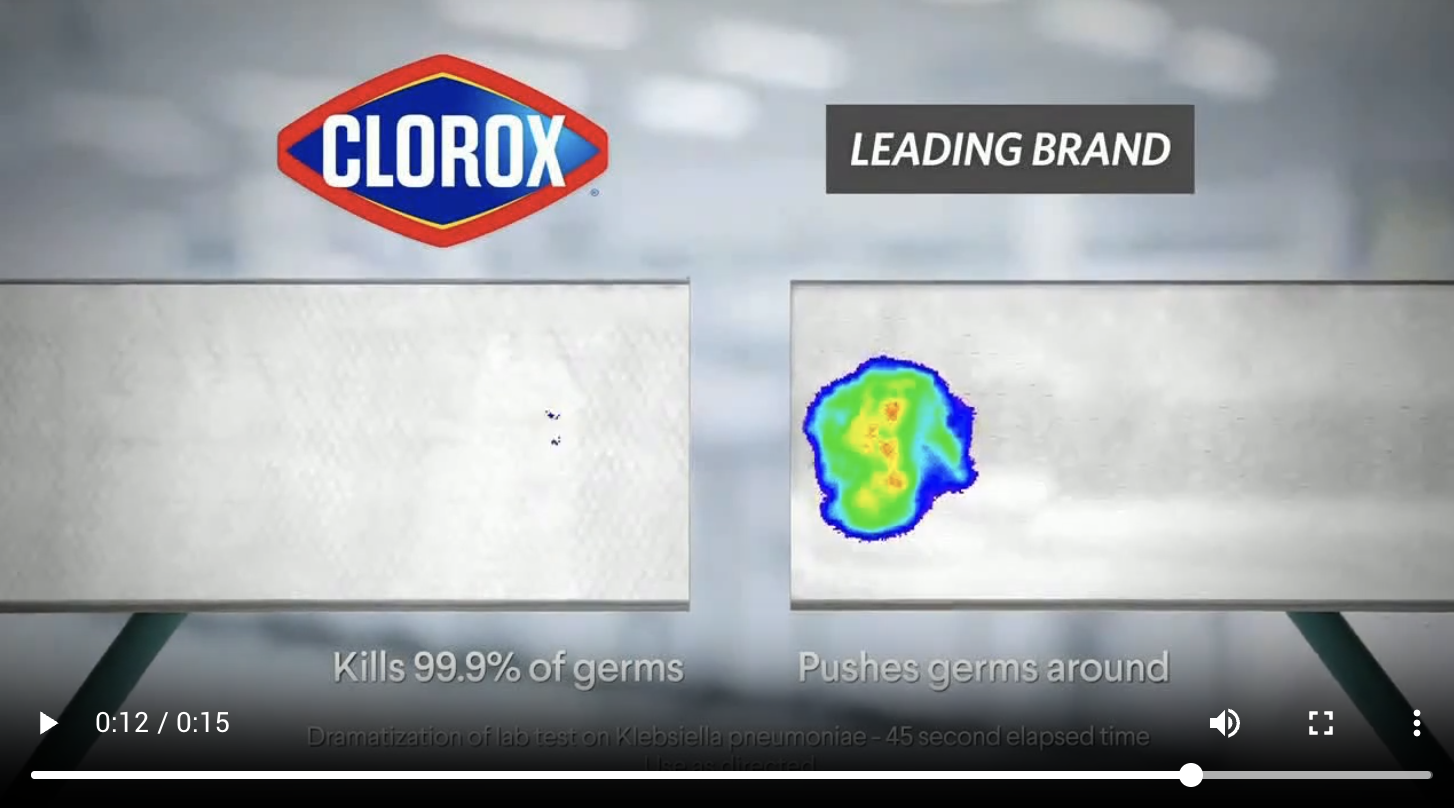
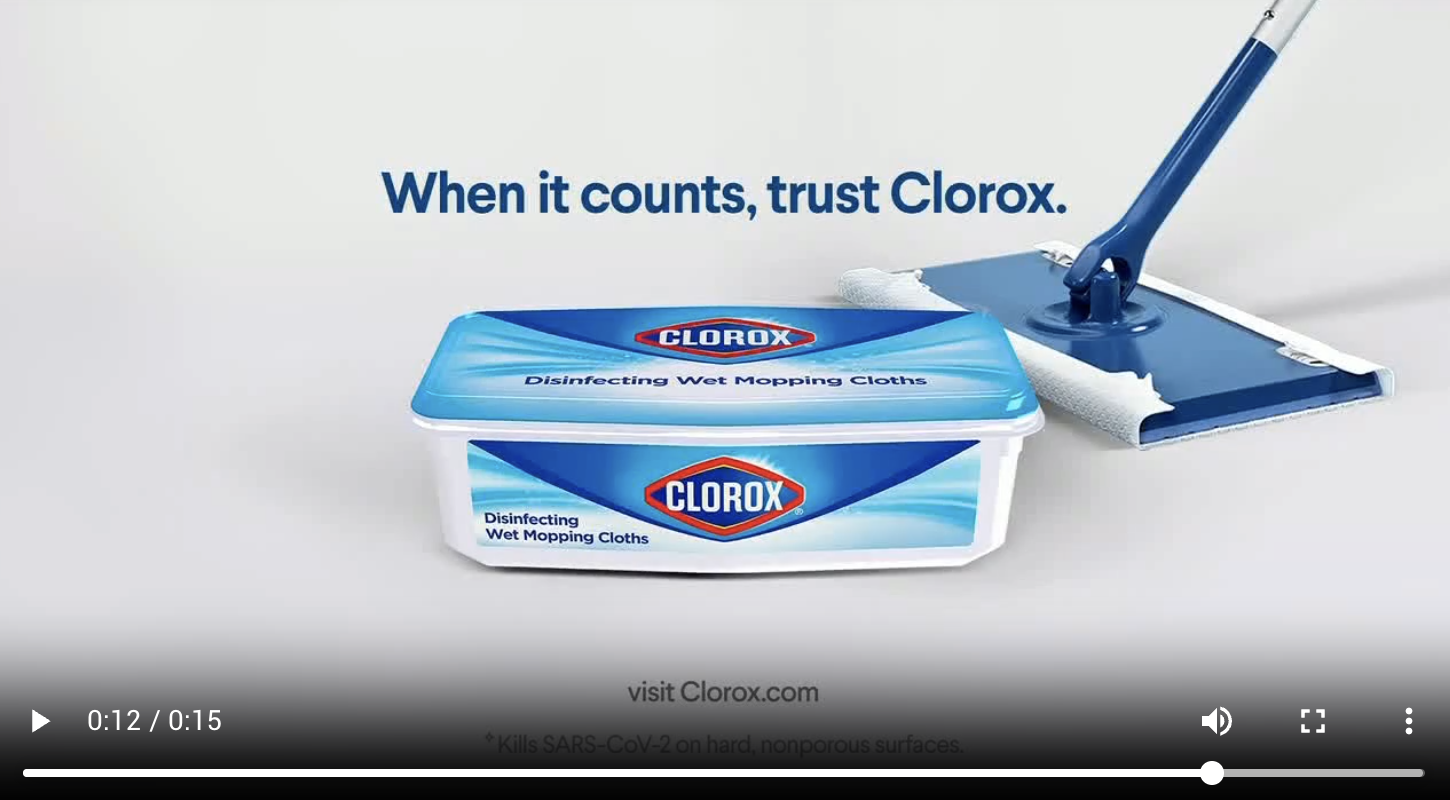
The brand name anchored trust while introducing a new way to think about floor cleaning. Floors shifted from “just another surface” to a high-risk zone, particularly in homes with kids and pets. At the same time, the work created clear distance from competitors that move dirt around without eliminating germs.
Results
Established floors as a credible, high-stakes disinfection occasion
Made an invisible benefit tangible through visual storytelling
Differentiated clearly from convenience-first competitors lacking disinfecting efficacy
Reframed category expectations from “looks clean” to “actually clean”
Strengthened brand authority by pairing trust with a new usage context
The broader takeaway is this: strong brands don’t just prove benefits—they translate them.
The job isn’t to educate consumers on chemistry or lab protocols. It’s to connect hard truths to moments people already recognize and care about. When an invisible advantage becomes visible and emotionally legible, you don’t just win attention—you change how the category is understood.
That’s where durable differentiation comes from.
For the full Blacklight Ad, view here.